
Testing
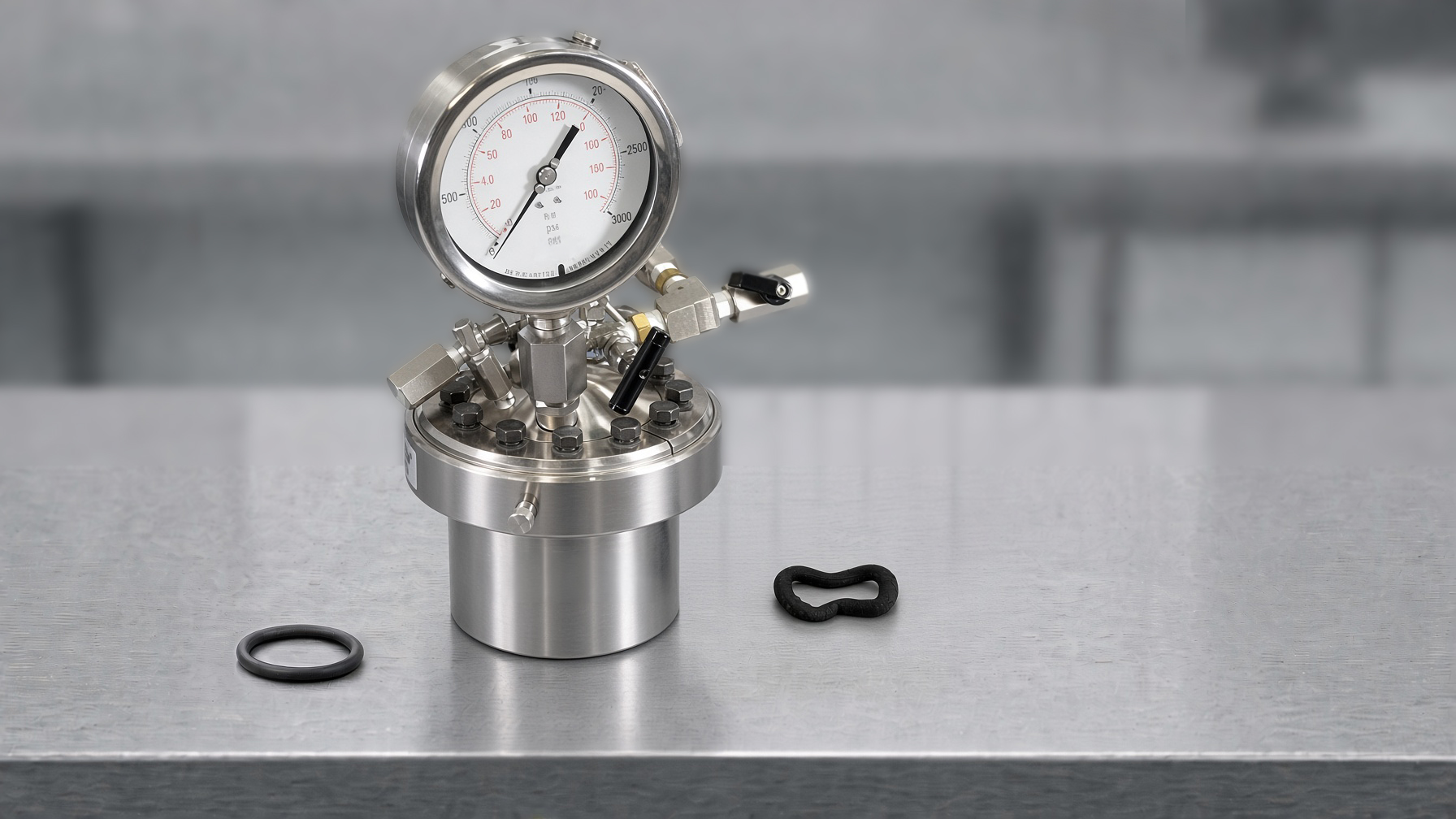
Rapid Gas Decompression (RGD) Testing for Elastomer O-Rings
What ISO 23936-2 / NORSOK M-710 rapid gas decompression means for O-Rings: high-pressure gas soak, fast depressurization, 0-5 blister ratings, cross-section traps, and how seal engineers pick RGD-resistant compounds.
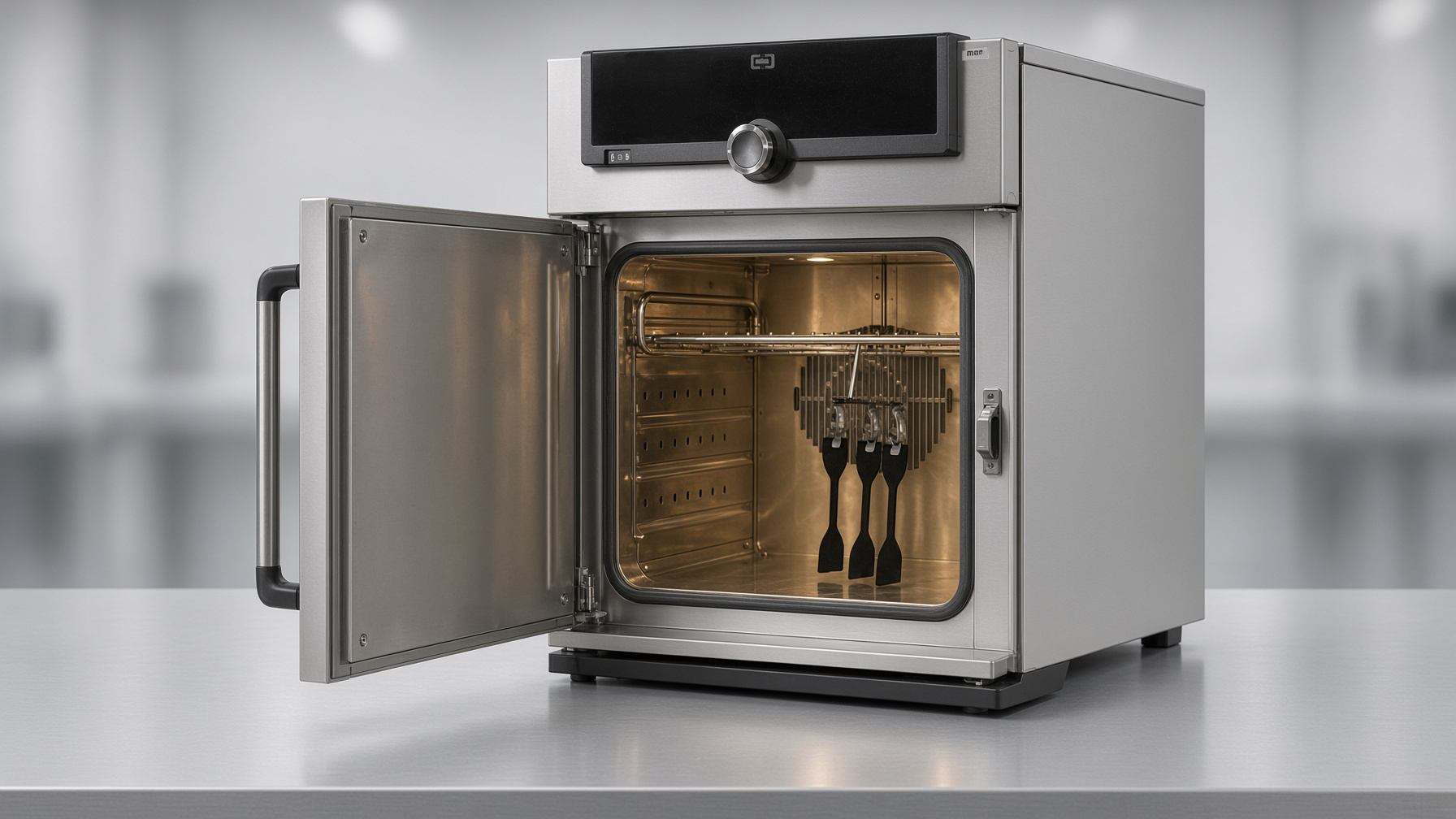
Heat Aging Testing for Elastomers: Oven Effects on Hardness, Tensile, and Elongation
What ASTM D573 / ISO 188 heat aging means for O-Rings: air-oven method, hardness rise and tensile/elongation retention, D2000 screen temperatures, family heat rankings, and how seal engineers read the datasheet beside compression set and TR-10.
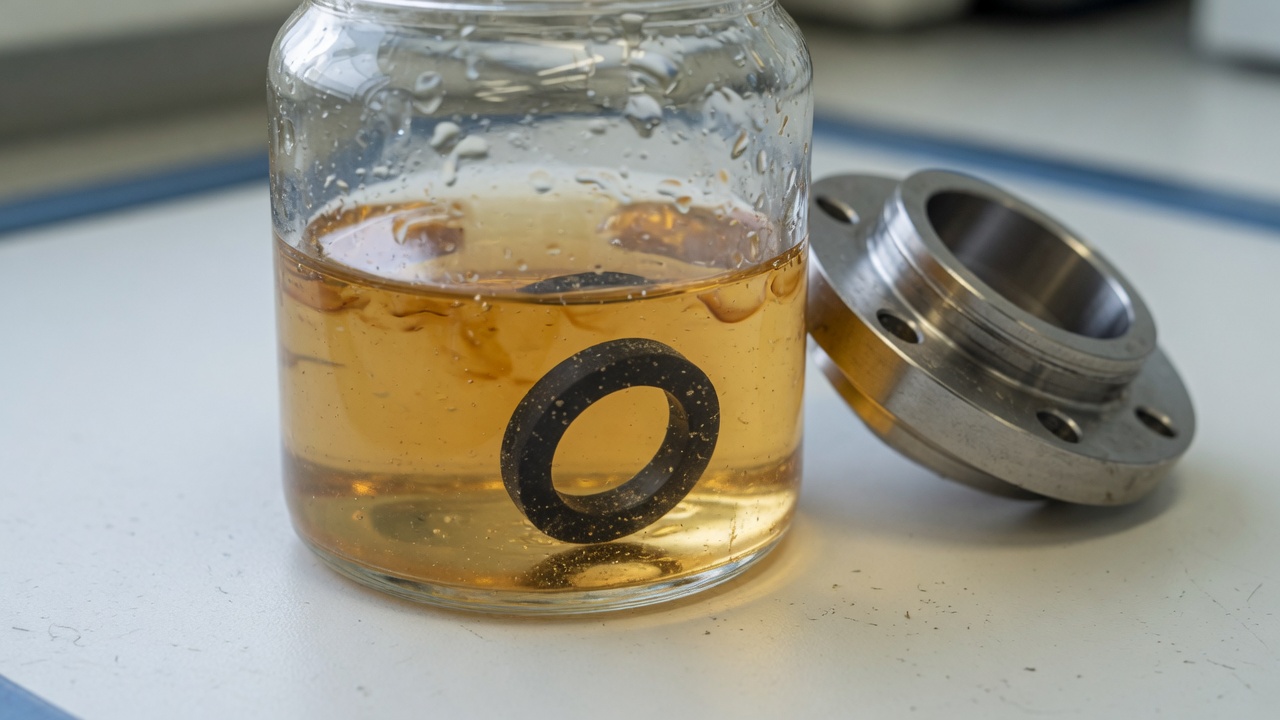
Volume Swell and Fluid Immersion Testing: How Fluids Change O-Ring Size
What ASTM D471 / ISO 1817 volume swell means for O-Rings: fluid immersion method, ΔV% and hardness change, static vs dynamic limits, IRM oil rankings by elastomer family, and how seal engineers read the datasheet.
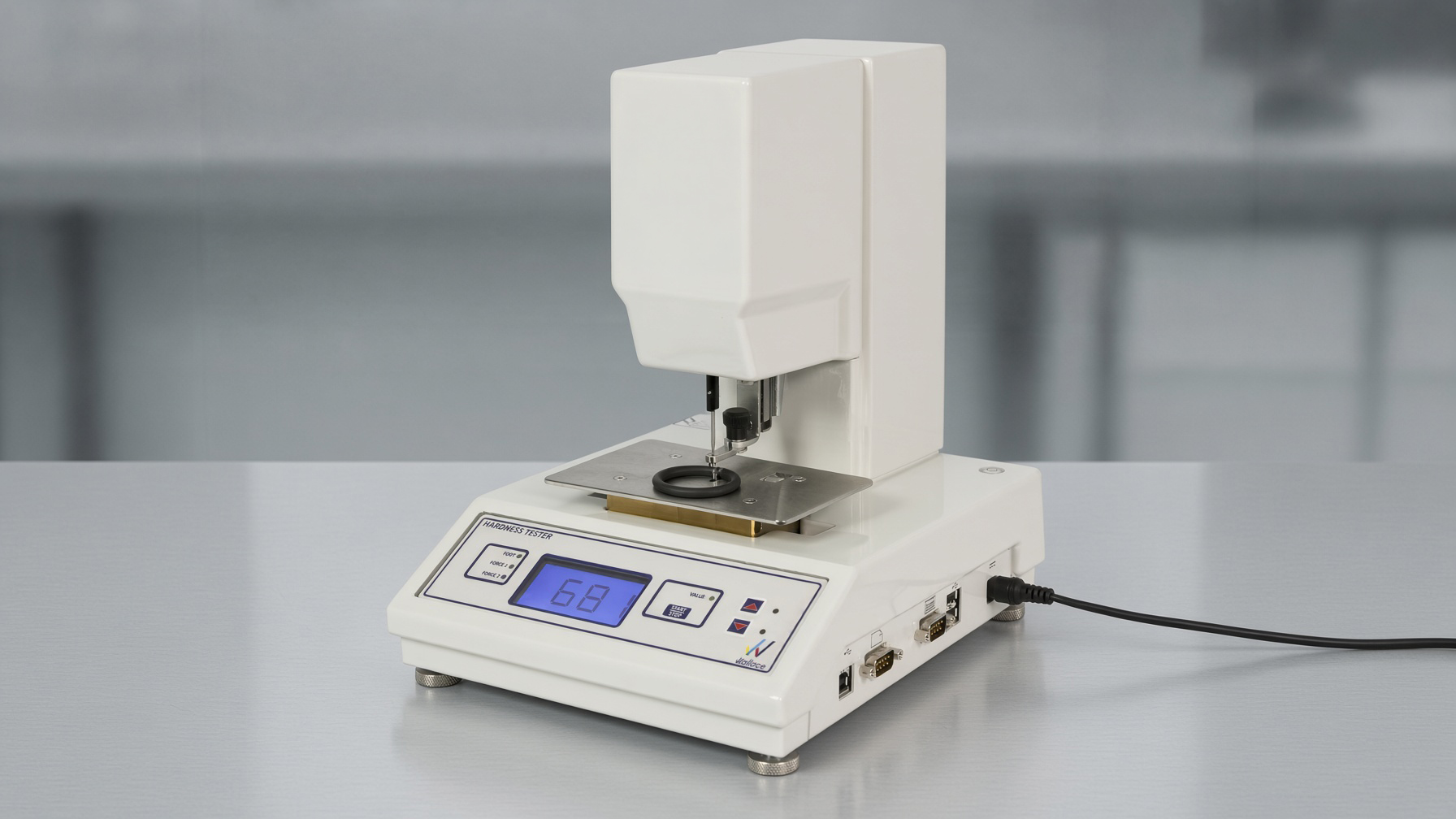
IRHD Hardness Testing vs Shore A: Measuring O-Rings and Thin Sections
What IRHD means for O-Rings: ASTM D1415 / ISO 48-2 dead-load methods, Micro IRHD for thin cord and curved seals, why readings differ from Shore A (ASTM D2240), and how seal engineers use hardness.
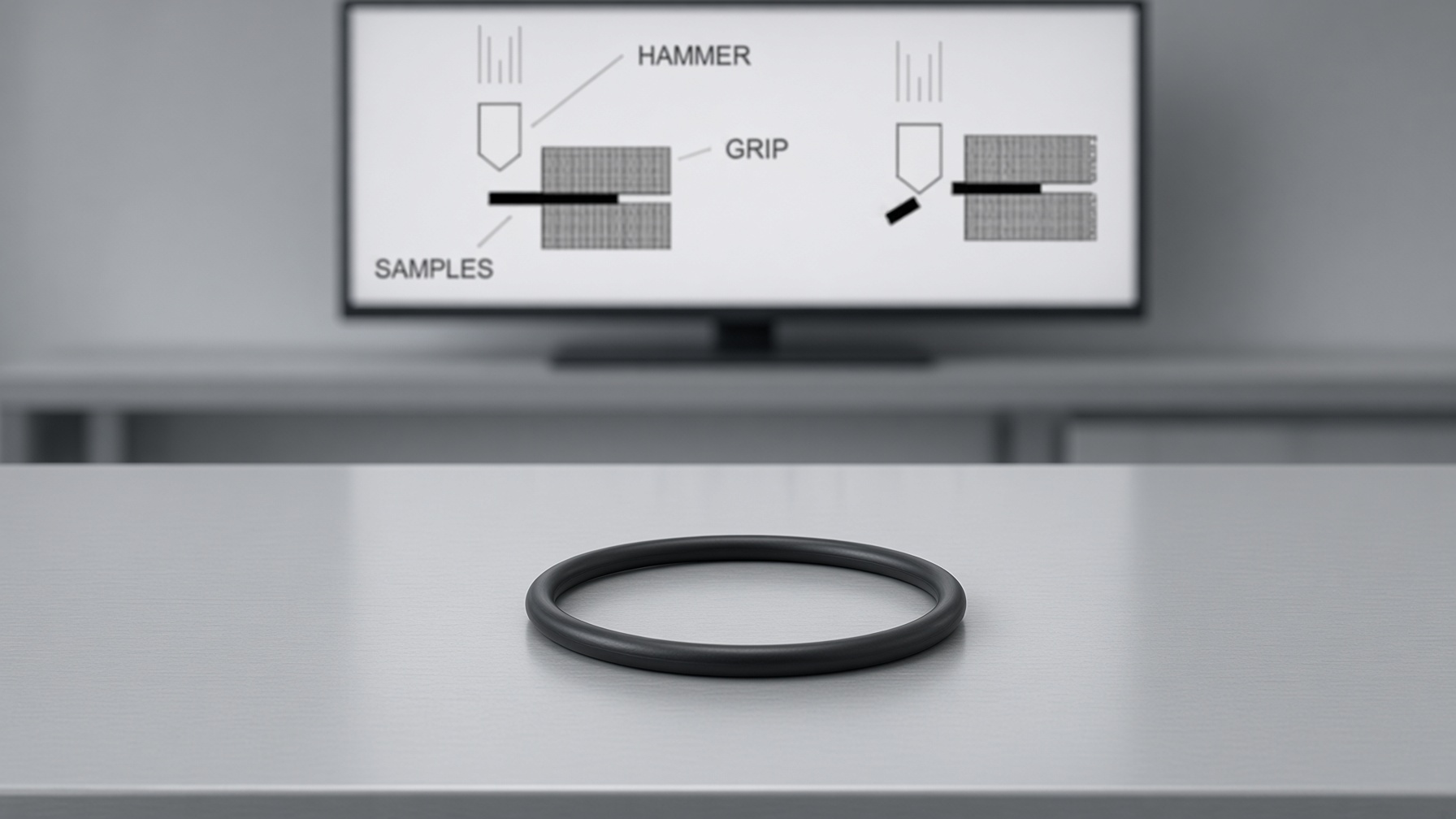
Low-Temperature Brittleness Testing: Impact Crack Points vs TR-10
What ASTM D2137 / ISO 812 low-temperature brittleness means for O-Rings: impact crack temperature, test sequence, how it differs from TR-10 cold sealing, family notes, and how seal engineers read the number.
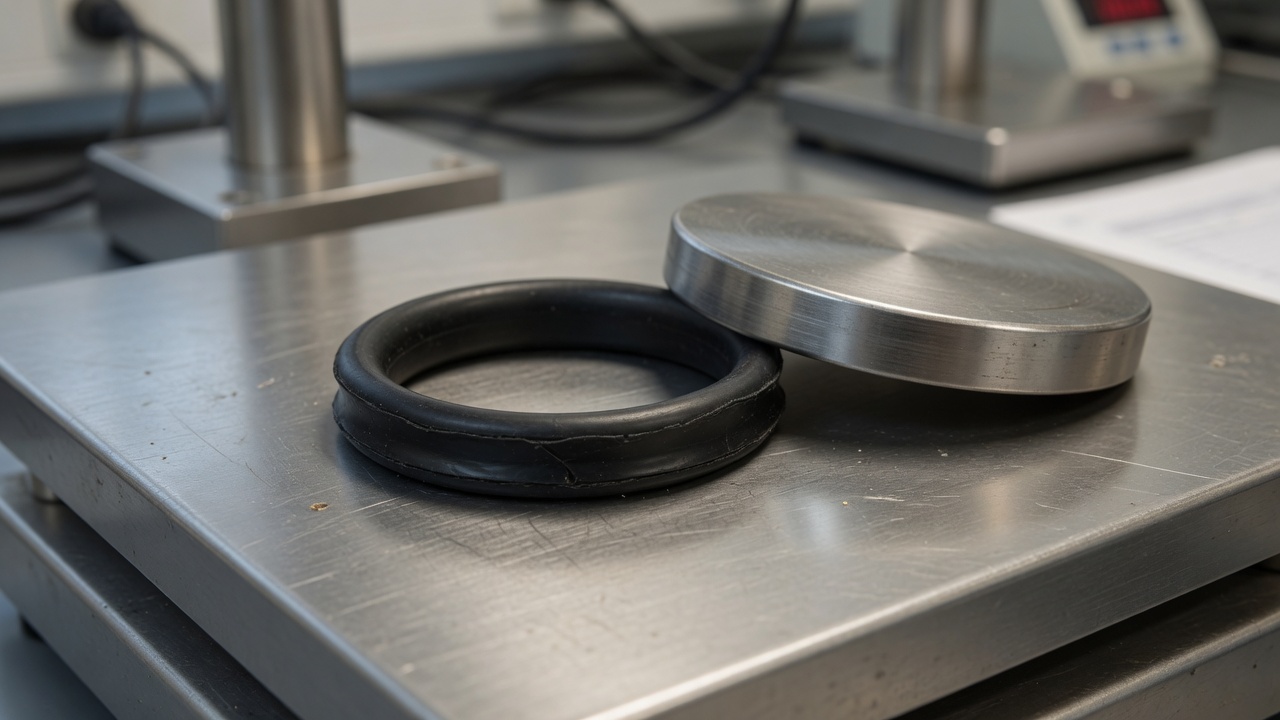
Compression Set Elastomer Testing: Why Flattened O-Rings Stop Sealing
What compression set means for O-Rings: ASTM D395 / D1414 / ISO 815 methods, 0% vs 100% set, gland take-a-set behavior, polymer test temperatures, and how seal engineers use the number for long-term squeeze.
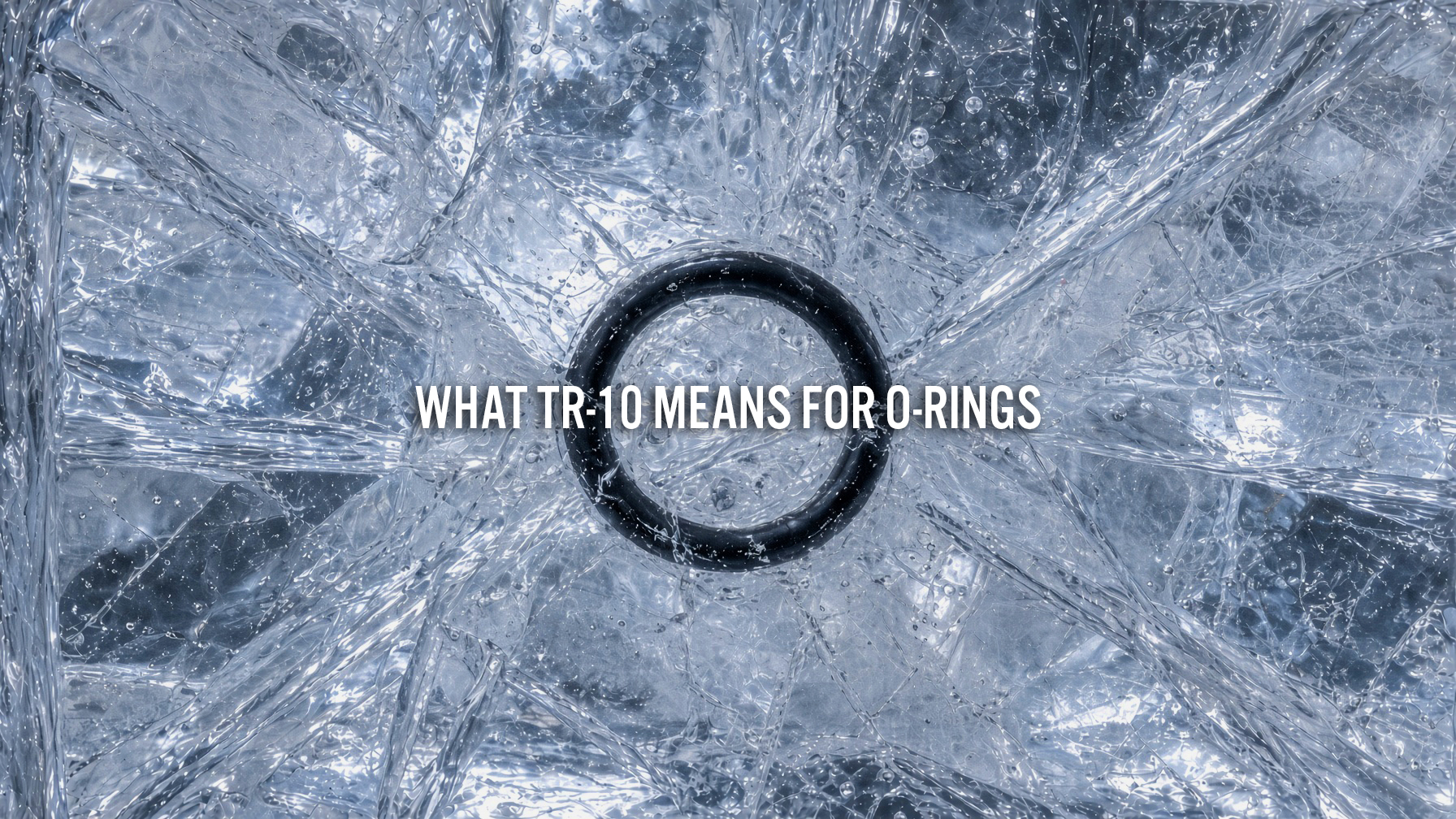
TR-10 Elastomer Testing: How Temperature Retraction Predicts Cold Sealing
What TR-10 means for O-Rings and rubber seals: ASTM D1329 / ISO 2921 test method, how to read TR-10 and TR70, static vs dynamic cold limits, and typical values by elastomer family.
