
Materials
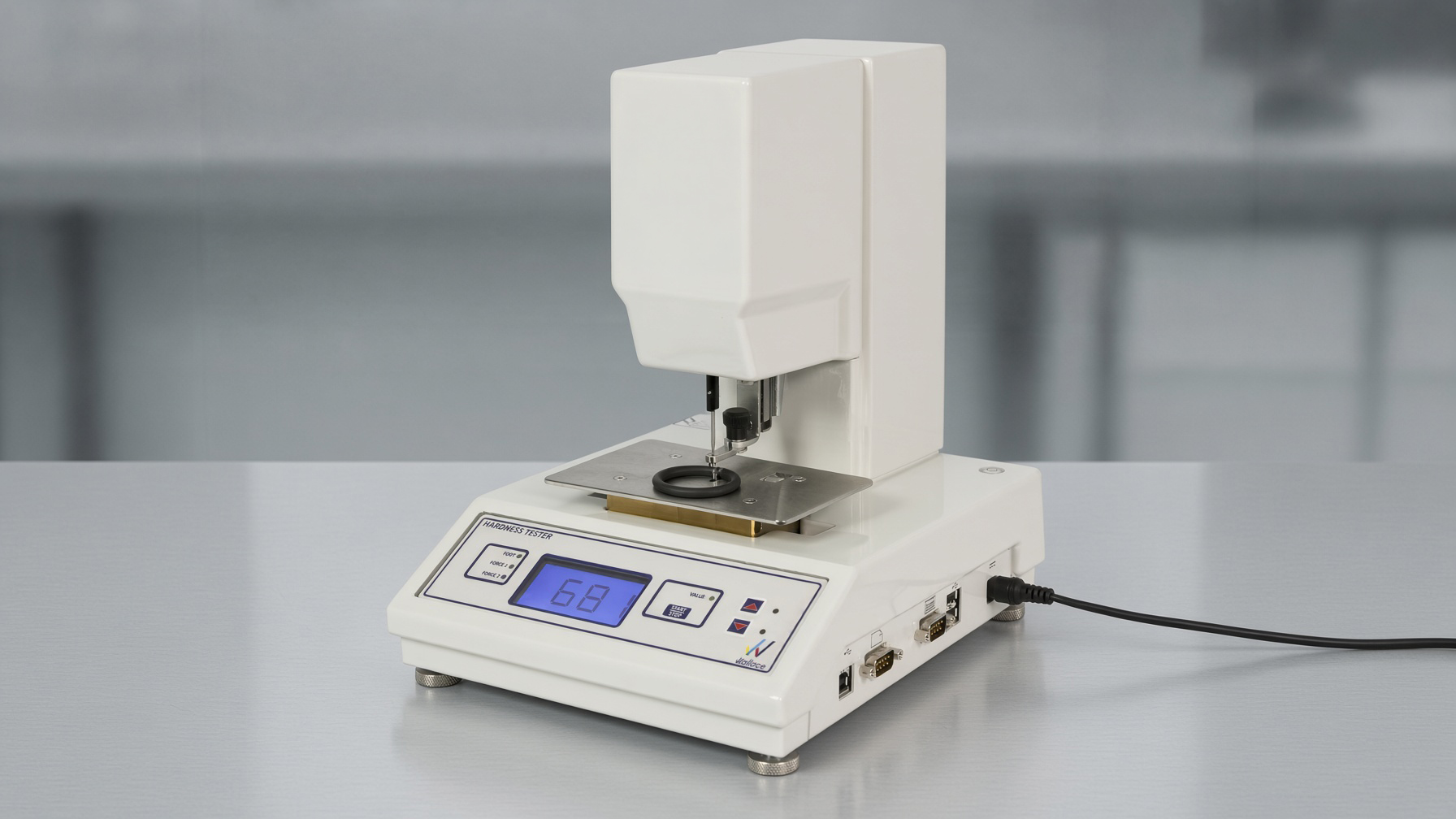
IRHD Hardness Testing vs Shore A: Measuring O-Rings and Thin Sections
What IRHD means for O-Rings: ASTM D1415 / ISO 48-2 dead-load methods, Micro IRHD for thin cord and curved seals, why readings differ from Shore A (ASTM D2240), and how seal engineers use hardness.
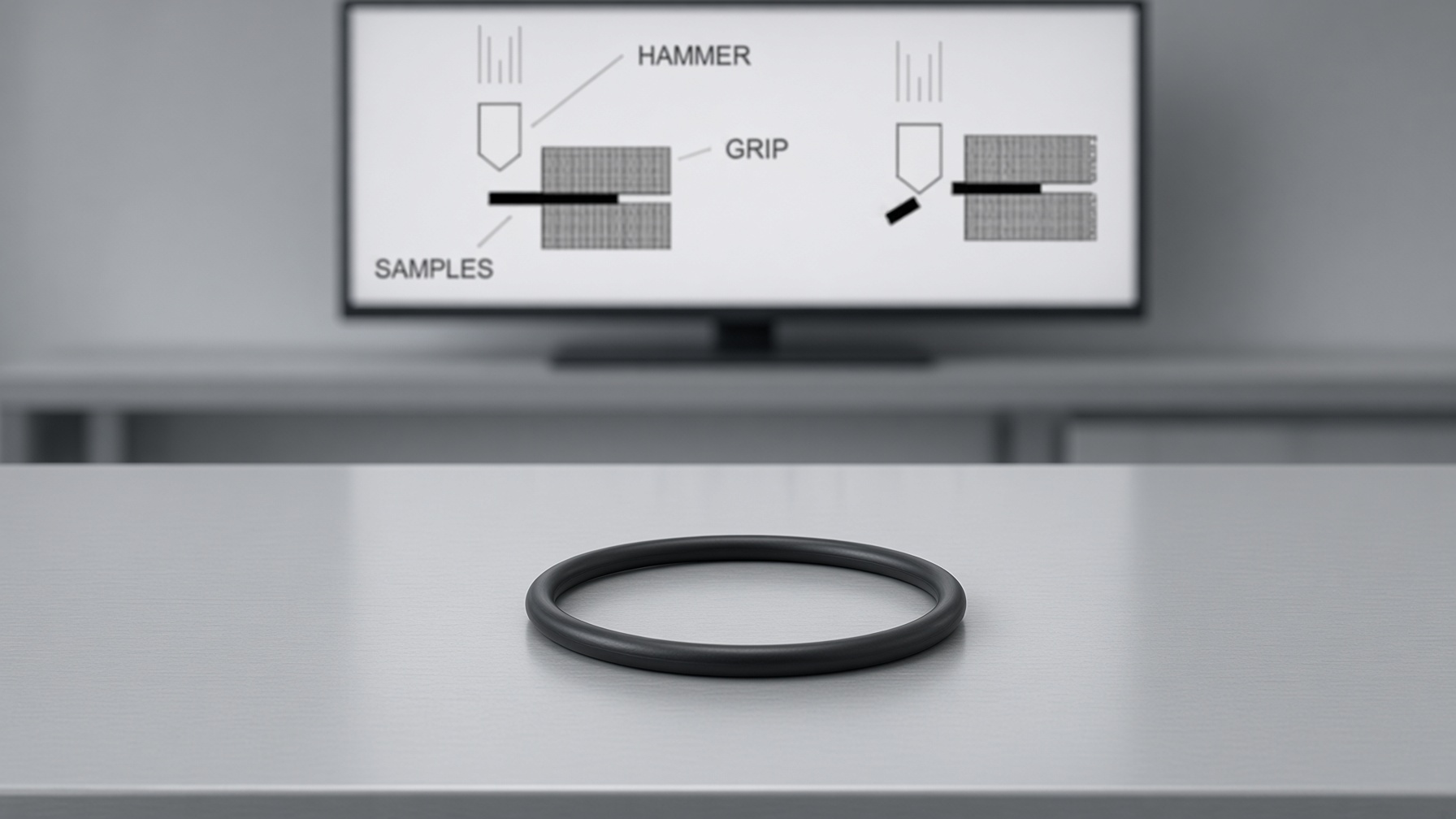
Low-Temperature Brittleness Testing: Impact Crack Points vs TR-10
What ASTM D2137 / ISO 812 low-temperature brittleness means for O-Rings: impact crack temperature, test sequence, how it differs from TR-10 cold sealing, family notes, and how seal engineers read the number.
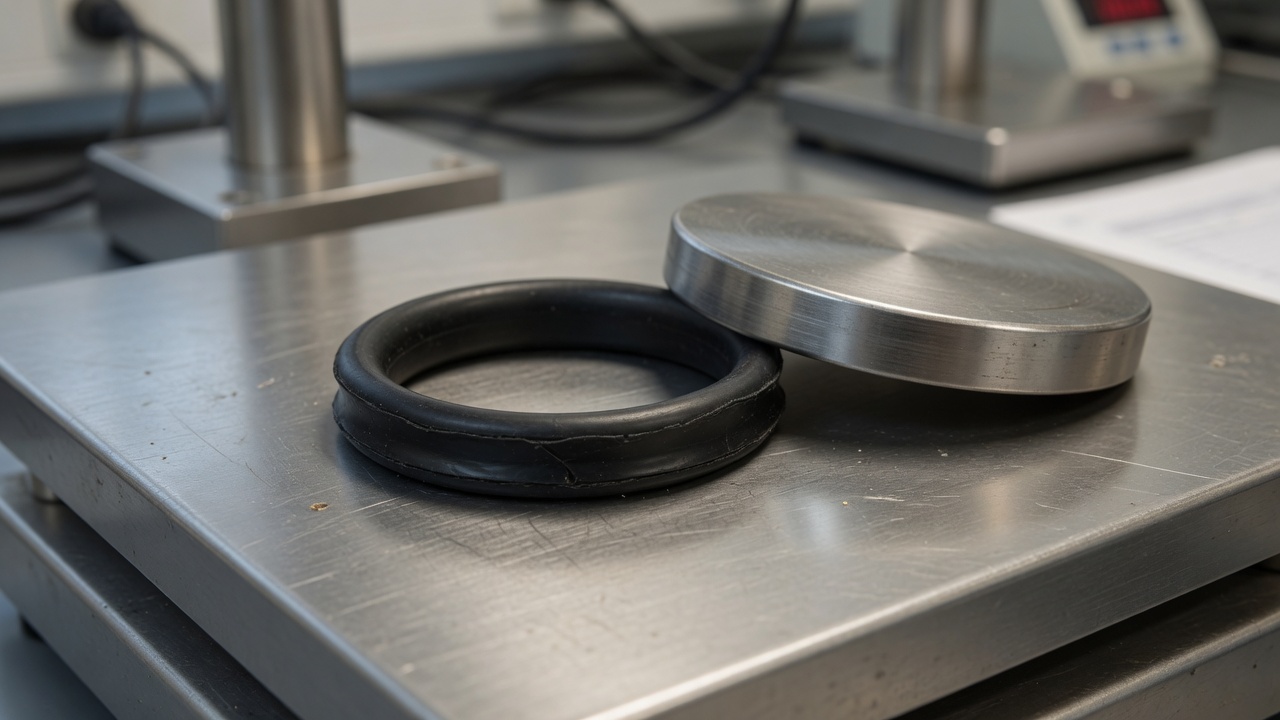
Compression Set Elastomer Testing: Why Flattened O-Rings Stop Sealing
What compression set means for O-Rings: ASTM D395 / D1414 / ISO 815 methods, 0% vs 100% set, gland take-a-set behavior, polymer test temperatures, and how seal engineers use the number for long-term squeeze.
TR-10 Elastomer Testing: How Temperature Retraction Predicts Cold Sealing
What TR-10 means for O-Rings and rubber seals: ASTM D1329 / ISO 2921 test method, how to read TR-10 and TR70, static vs dynamic cold limits, and typical values by elastomer family.
HNBR vs Buna-N Nitrile O-Rings: Same Fit, Longer Life
HNBR (Highly Saturated Nitrile) O-Rings drop into the same sizes as standard Buna-N and add higher heat, better wear, and longer service life. Full side-by-side.
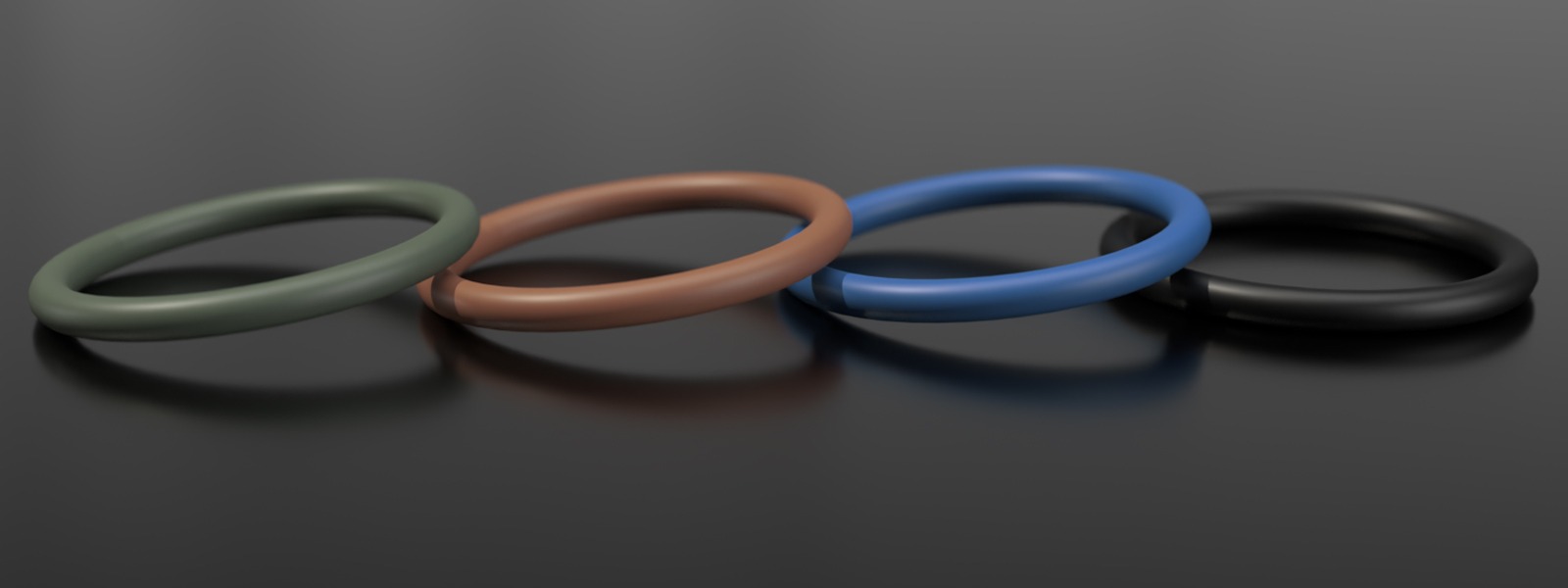
Choosing the Right O-Ring Compound
A three-question shortcut to narrowing down the elastomer you need.
Aflas® (FEPM / TFE-P) O-Rings
Aflas® (FEPM, TFE/P) O-Ring guide: why less fluorine than FKM makes it the answer for steam, hot water, amines, strong bases, and sour gas, plus temperature range, grades, limitations, and the sizes we stock.
Butyl (IIR) O-Rings
Butyl (IIR) O-Ring guide: the lowest gas and water vapor permeability of the common seal elastomers, plus temperature range, chlorobutyl and bromobutyl grades, limitations, and honest advice on when EPDM is the better buy.
O-Ring Material Selection Guide
O-Ring compound selection guide with temperature ranges, shelf life, stocked inch and metric sizes, and where each compound belongs.
EPDM O-Rings
EPDM O-Ring guide: water, steam, brake fluid and weather resistance, -65°F to +300°F range, cure systems, durometers, the oil limitation, and the FDA, NSF-61 and peroxide-cured grades we stock.
FFKM (Simriz® Perfluoroelastomer) O-Rings
FFKM (Simriz®) O-Ring guide: temperature range, near-universal chemical resistance, honest limitations, standards, and every Freudenberg Simriz® compound we carry with what each grade is built for.
Fluorosilicone (FVMQ) O-Rings
Fluorosilicone (FVMQ) O-Ring guide: the fuel-resistant silicone. Temperature range, M25988 mil-spec grades, limitations, chemical compatibility, and the grades we stock.
HNBR (Hydrogenated Nitrile / HSN) O-Rings
HNBR (hydrogenated nitrile, HSN) O-Ring guide: temperature range, refrigerant and sour-gas resistance, cure systems, durometers, limitations, and the grades we stock.
Neoprene (CR / Chloroprene) O-Rings
Neoprene (CR, chloroprene) O-Ring guide: temperature range, refrigerant and ammonia service, flame resistance, aniline point, grades, limitations, and the sizes we stock.
Nitrile (Buna-N / NBR) O-Rings
Nitrile (Buna-N, NBR) O-Ring guide: temperature range, ACN content and what it changes, oil and fuel resistance, durometers, mil-spec grades, limitations, and everything we stock.
PTFE (Teflon®) O-Rings
PTFE (Teflon®) O-Ring guide: near-universal chemical resistance from -100°F to +500°F, why PTFE is a thermoplastic and not an elastomer, cold flow and gland design, filled grades, and back-up rings.
PTFE Encapsulated O-Rings
PTFE encapsulated O-Ring guide: a seamless PTFE, FEP, or PFA jacket over a silicone, FKM, or EPDM core. Temperature ranges, chemical resistance, limitations, installation, and the sizes we stock.
Silicone (VMQ) O-Rings
Silicone (VMQ) O-Ring guide: -75°F to +400°F range, the silicon-oxygen backbone, FDA food and USP Class VI medical grades, gas permeability, and why silicone belongs in static seals only.
O-Ring Temperature Guide
O-Ring temperature guide by compound: low-temp and high-temp ranges in °F and °C, steam vs dry heat, continuous vs intermittent service, and how to pick a family for your duty.
Cast Urethane (Disogrin®) O-Rings
Cast polyurethane (Disogrin®) O-Ring guide: the best abrasion, tensile, and extrusion resistance of any common O-Ring material, plus the hydrolysis limit that decides where it belongs.
Millable Urethane (EU) O-Rings
Millable polyurethane (EU) O-Ring guide: temperature range, abrasion and tensile strength, low gas permeability, hydrolysis resistance, limitations, and the grades we stock for air guns, paintball markers, and pneumatics.
Viton® / FKM (Fluoroelastomer) O-Rings
Viton® / FKM O-Ring guide: heat to +400°F, fuel and chemical resistance, the honest low-temperature story, cure systems, fluorine content, durometers, mil-spec, FDA, and every FKM grade we stock.
Viton® Extreme ETP O-Rings
Viton® Extreme ETP O-Ring guide: the specialty FKM that survives bases, amines, ketones, and esters. Temperature range, limitations, grades, and where it beats FKM and undercuts FFKM.
