
Phosphoric Acid Concentrated to 158°F O-Ring Compatibility: Which Compounds Hold Up
Phosphoric Acid Concentrated to 158°F O-Ring guide for fertilizer, metal treatment, and hot acid process service: chart ratings, why EPDM is the preferred start, and which elastomers to avoid.
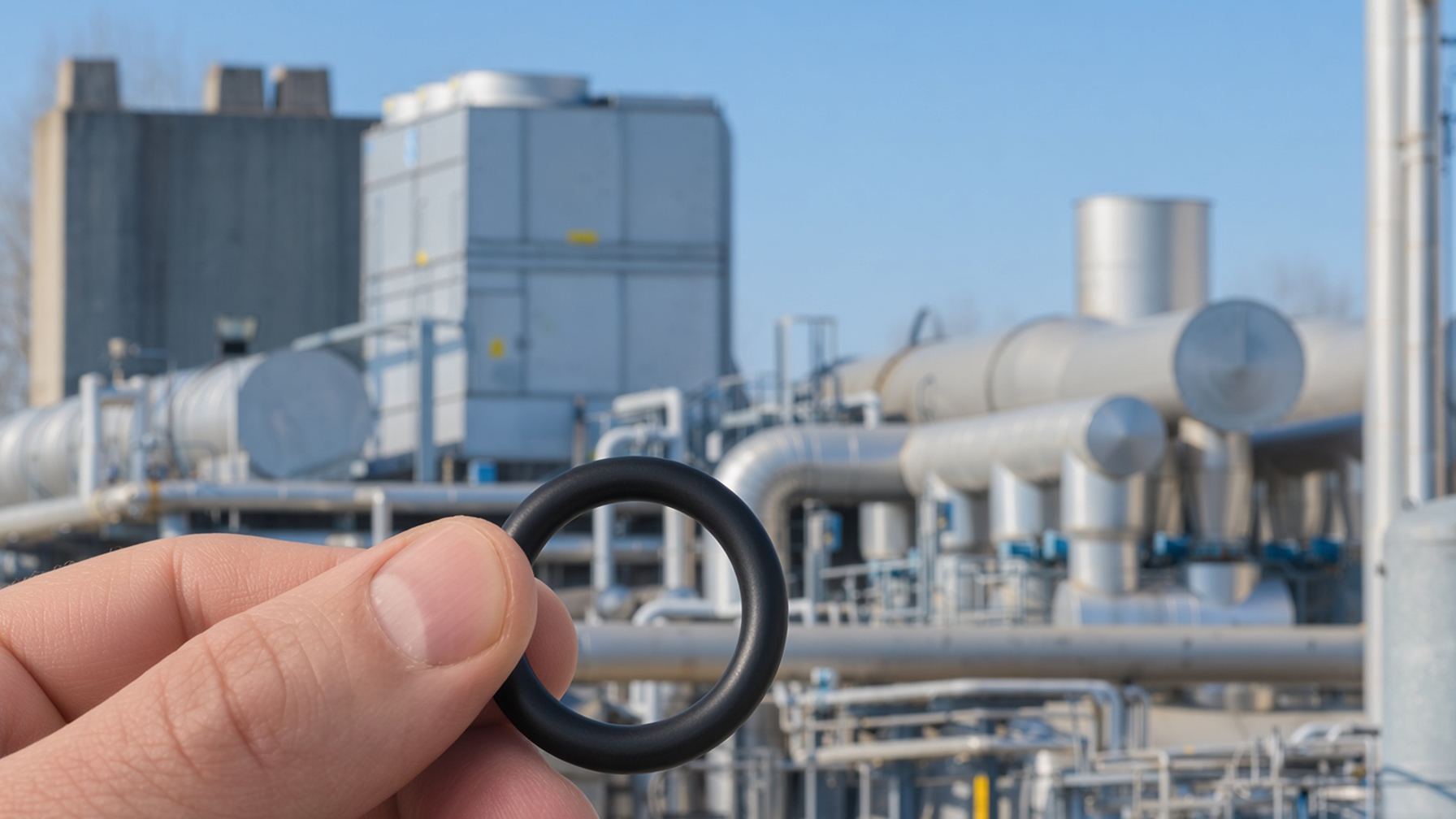
Phosphoric Acid Concentrated to 158°F is hot, high-strength phosphoric acid used in fertilizer production, metal phosphating and cleaning lines, and related chemical process service. Seals on transfer valves, pump flanges, heat-traced day tanks, reactor nozzles, and process sample ports see a strong mineral acid at elevated temperature that attacks many everyday elastomers. Pick poorly and you get swell, hardening or softening, and early weep.
This guide maps the handbook Chemical Compatibility Chart row for Phosphoric Acid Concentrated to 158°F to practical compound choices. It is a warmer, tougher duty than the room-temperature concentrated phosphoric acid row: heat turns several families that look workable at ambient into poor or not-recommended picks.
Where it shows up
- Fertilizer and phosphate plants: wet-process phosphoric acid, MAP/DAP intermediate loops, and acid transfer between evaporators, storage, and reactors
- Metal treatment and phosphating: hot cleaning, pickling adjunct, and conversion-coating baths on steel and related alloys
- Chemical manufacturing: concentrated H₃PO₄ feed and recycle lines near process heat
- Heat-traced tanks and piping: day tanks and transfer skids held warm to keep viscosity and crystallization under control
- Sample ports and filter housings: analytical and side-stream connections on hot acid circuits
Service is usually concentrated aqueous phosphoric acid in lined steel, stainless, or specialty alloy equipment up to about 158°F (70°C) on this chart row. Chart ratings assume a generic commercial compound. Concentration, continuous immersion, and co-fluids change outcomes.
How concentrated hot phosphoric acid stresses an O-Ring
Concentrated phosphoric acid is a strong polar mineral acid. At elevated temperature it attacks elastomer networks that tolerate dilute or room-temperature acid contact, driving swell, modulus change, and extrusion risk. On this chart row, polar-friendly and fluorocarbon families that hold a 1 (EPDM, FKM, butyl, FFKM, and PTFE) are the strong answers. Nitrile, HNBR, silicone, and polyurethane are not recommended (4). Neoprene and fluorosilicone rate only poor (3). Heat is the differentiator versus the room-temperature concentrated row, where nitrile and HNBR still show workable letters. See Chemical Compatibility and Failure Analysis.
Handbook chart ratings for Phosphoric Acid Concentrated to 158°F
Same rating badges and layout as the interactive chart. Search Phosphoric Acid Concentrated to 158°F on the Chemical Compatibility Chart to pin the live row.
| Fluid | Best | N Nitrile | H HNBR | E EPDM | C Neoprene | S Silicone | V Viton® | P Urethane | F FVMQ | A Aflas® | B Butyl | K FFKM | T PTFE |
|---|---|---|---|---|---|---|---|---|---|---|---|---|---|
| Phosphoric Acid Concentrated to 158°F | E | 4 | 4 | 1 | 3 | 4 | 1 | 4 | 3 | X | 1 | 1 | 1 |
Best family on the chart row: EPDM (E). Viton® / FKM, butyl, FFKM, and PTFE also rate excellent (1). Neoprene and fluorosilicone rate poor (3). Nitrile, HNBR, silicone, and polyurethane are not recommended (4). Aflas® lacks data (X) on the handbook matrix.
Recommended O-Ring materials
First choice: EPDM
EPDM is rated excellent (1) and is the chart’s preferred letter for Phosphoric Acid Concentrated to 158°F. It prefers polar and aqueous acid service over petroleum oils, which matches fertilizer, phosphating, and hot acid transfer duty. Use 70 Shore A for most static covers and flanges; step hardness or add a back-up ring when pressure and clearance gap climb.
Also usually serviceable
Materials to use with caution or avoid
Physical properties to match (after chemistry)
A chart 1 means the polymer family usually survives the fluid. It does not finish the spec. After you shortlist EPDM (or another excellent family above), lock the physical properties the gland and process actually need.
Hardness (Shore A / durometer)
- 70 Shore A is the everyday default for static covers, flanges, and low-to-moderate pressure transfer lines.
- 90 Shore A (or 70 plus a back-up ring) when pressure and clearance gap push extrusion risk on pumps and filter housings.
- Soft grades (50–60) seal rough faces better but give up extrusion margin.
See Shore A Hardness for the extrusion-gap chart and feel references.
Temperature
This chart row already names 158°F as the upper reference for concentrated phosphoric acid contact. Handbook chemical ratings for other fluids are often near room temperature; here heat is part of the fluid name. As a starting frame:
| Family | Typical handbook range (grade dependent) | Notes for hot concentrated H₃PO₄ |
|---|---|---|
| EPDM | about −65°F to +300°F | Everyday polar / acid pick on this row |
| FKM | about −15°F to +400°F | Strong when fluorocarbon is already specified |
| Butyl | about −75°F to +250°F | Polar resistance; watch heat and wear |
| FFKM | about 0°F to +600°F | Mixed aggressive acid streams |
| PTFE | about −100°F to +450°F+ | Inert; encapsulated when rebound is needed |
Confirm continuous process temperature, heat tracing, and any local hot spots against the Temperature Guide. Warm concentrated acid ages seals faster than a room-temperature splash test implies.
Static vs dynamic duty
- Static face and cover seals: chemical rating + hardness + squeeze usually dominate.
- Dynamic shafts, rods, and reciprocating glands: add abrasion, extrusion, and friction. A harder EPDM often outlasts a soft general-purpose grade in frequent metering cycles. Check groove design and seal types.
Size and squeeze
Lock ID × CS (or the AS568 dash) on the Master O-Ring Size Chart before you argue compound. Wrong size fails faster than a second-choice polymer that fits the groove.
Concentration and related chart rows
Match the exact fluid name on the SDS and on the chart. Related rows include Phosphoric Acid Concentrated Room Temp, Phosphoric Acid 3 Molar to 158°F, and dilute percentage grades. Cooler or leaner acid can reopen families that this hot concentrated row rules out. If the loop also sees other mineral acids, fluorides, or organic co-solvents, say so when you specify the ring.
Practical selection checklist
- Confirm the fluid. Concentrated phosphoric acid vs dilute grade, and whether service reaches about 158°F.
- Temperature. Ambient tote transfer is milder than heat-traced fertilizer or phosphating bath duty.
- Hardness and pressure. Default 70 Shore A; step to 90 or add a back-up ring when gap and psi demand it.
- Static or dynamic. Pumps and valves need abrasion and extrusion resistance beyond a chemical rating alone.
- Confirm on the chart, then test. Pin Phosphoric Acid Concentrated to 158°F on the Chemical Compatibility Chart. For critical service, contact The O-Ring Store with fluid grade, temperature, hardness, and duty cycle.
Quick answers
Which O-Ring for Phosphoric Acid Concentrated to 158°F?
Start with EPDM at 70 Shore A for general static duty, or 90 Shore A / back-up
rings when pressure and gap climb. FKM, butyl, FFKM, and PTFE also rate excellent on the
handbook row. Avoid nitrile, HNBR, silicone, and polyurethane; treat neoprene and
fluorosilicone as poor fits; treat Aflas as unproven here until you test.
Is this the same as room-temperature concentrated phosphoric acid?
Related, but warmer. The room-temperature concentrated row is kinder to several families
(including nitrile and HNBR). Always match the exact fluid name and temperature on the
chart and on the SDS.
Chart ratings are guidance for generic commercial compounds near the stated temperature. Concentration, temperature, and co-fluids change outcomes. Evaluate specific parts before use in critical applications.
