Calcine Liquors O-Ring Compatibility: Which Compounds Hold Up
Calcine liquors O-Ring guide for mineral processing and metallurgy: chart ratings, which elastomers hold up in aqueous calcination circuits, and which to avoid.
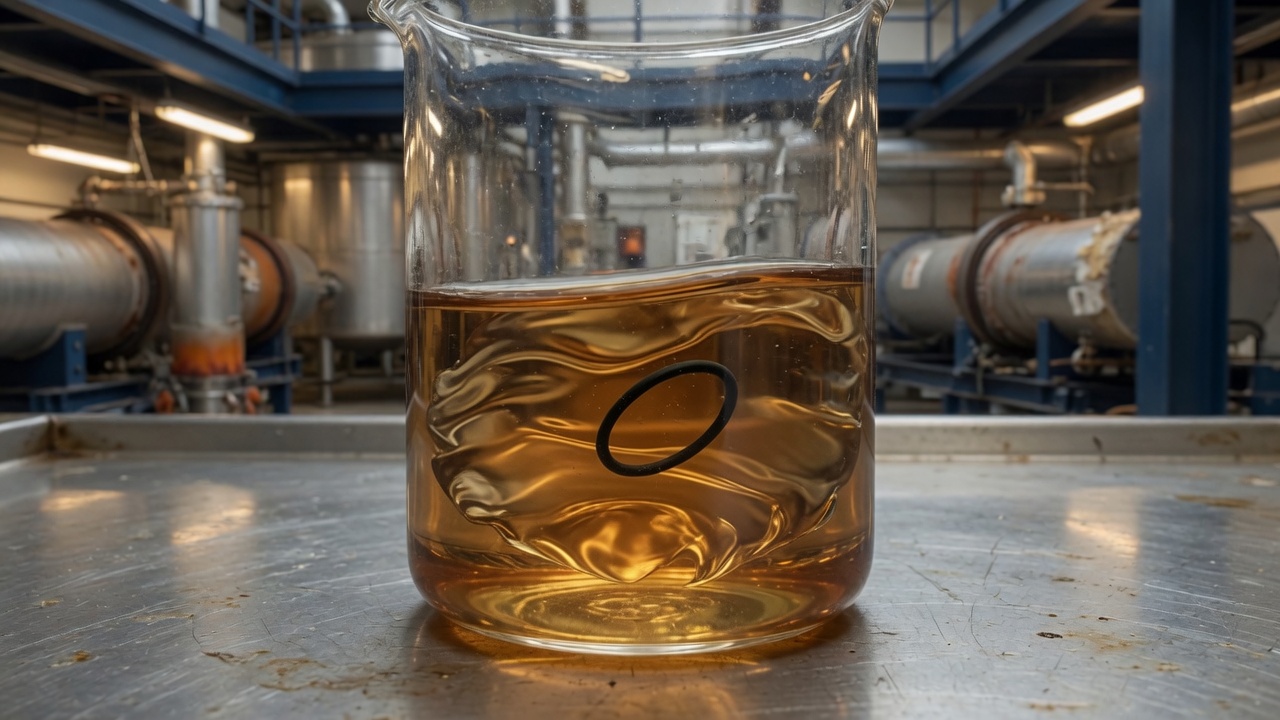
Calcine liquors are the aqueous process streams tied to calcination circuits in mineral processing and metallurgy. Ore or concentrate is roasted or calcined to drive off water, sulfur, carbonates, or other volatiles. The associated liquors can carry dissolved metal salts, alkalis or acids, and suspended solids, often while hot. Seals on pumps, sample ports, and transfer lines have to survive that chemistry, not only dry heat at the kiln.
This guide maps the handbook Chemical Compatibility Chart row for calcine liquors to practical O-Ring choices.
Where it shows up
- Base-metal and precious-metal plants: liquors around roasting and calcining of concentrates before leaching or smelting
- Alumina and related refining: process solutions linked to calcination and liquor recycle loops
- Specialty chemical and waste-treatment calcination: aqueous feeds and scrubber or quench streams downstream of the hot zone
Composition varies by ore and flowsheet. Treat chart ratings as a first pass for a generic commercial compound near room temperature, then confirm concentration, temperature, and pH for your circuit.
How calcine liquors stress an O-Ring
These are usually aqueous salt solutions, sometimes alkaline or acidic, sometimes warm. Elastomers that thrive in petroleum oil can still work here when the chart says so, but heat plus dissolved solids changes swell and aging. Solids loading also raises abrasion risk on dynamic seals. See Chemical Compatibility and Failure Analysis.
Handbook chart ratings for calcine liquors
Same rating badges and layout as the interactive chart. Search calcine liquors on the Chemical Compatibility Chart to pin the live row.
| Fluid | Best | N Nitrile | H HNBR | E EPDM | C Neoprene | S Silicone | V Viton® | P Urethane | F FVMQ | A Aflas® | B Butyl | K FFKM | T PTFE |
|---|---|---|---|---|---|---|---|---|---|---|---|---|---|
| Calcine Liquors | N | 1 | 1 | 1 | X | X | 1 | 4 | 1 | 1 | 1 | 1 | 1 |
Best family on the chart row: Nitrile (N). HNBR, EPDM, FKM, fluorosilicone, Aflas, butyl, FFKM, and PTFE also rate excellent (1) on this row. Polyurethane is not recommended (4). Neoprene and silicone lack data (X) on the handbook matrix.
Recommended O-Ring materials
First choice: Nitrile (Buna-N) and HNBR
Nitrile (NBR) is rated excellent (1) and is the chart’s preferred letter for calcine liquors. Use it for ambient to moderately warm aqueous service when cost and availability matter. HNBR matches that chemical rating with more heat and wear margin for tougher pumps and valves.
Also usually serviceable
Materials to avoid or treat as unknown
Practical selection checklist
- Know the liquor. pH, dissolved metals, chlorides or fluorides, and solids loading.
- Temperature. Quench and transfer lines can run warmer than the chart’s room-temp baseline.
- Static or dynamic. Slurry abrasion shortens life on reciprocating and rotary seals. Check groove design.
- Confirm on the chart, then test. Pin Calcine Liquors on the Chemical Compatibility Chart. For critical service, contact The O-Ring Store with fluid grade, temperature, and duty cycle.
Quick answers
Which O-Ring for calcine liquors?
Start with nitrile (Buna-N) or HNBR. EPDM, FKM, fluorosilicone, Aflas, butyl, FFKM,
and PTFE also rate excellent on the handbook row. Avoid polyurethane. Treat neoprene and
silicone as unproven here until you test.
Are all calcine liquors the same?
No. The name covers process solutions around calcination, not one fixed recipe. Match the
SDS and operating temperature to the chart, then validate the compound.
Chart ratings are guidance for generic commercial compounds near room temperature. Concentration, temperature, solids, and co-fluids change outcomes. Evaluate specific parts before use in critical applications.